1Start with structure
Structured execution
Every task includes status, owner, priority, due date, source app, and attached relationship.
Feature
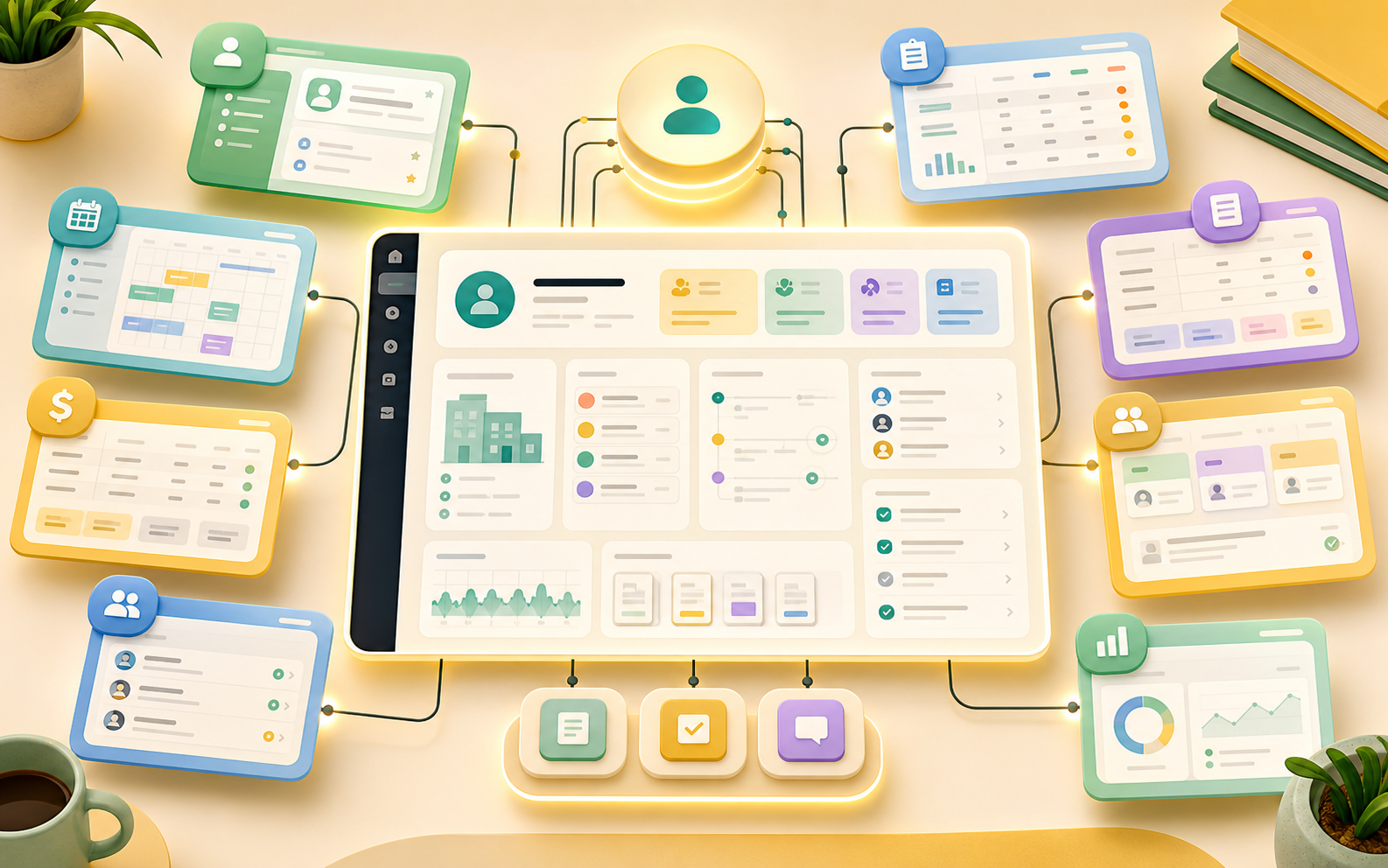
Tasks can belong to any record, app, workflow, project, customer, asset, vendor, or deal.

What this page gives you
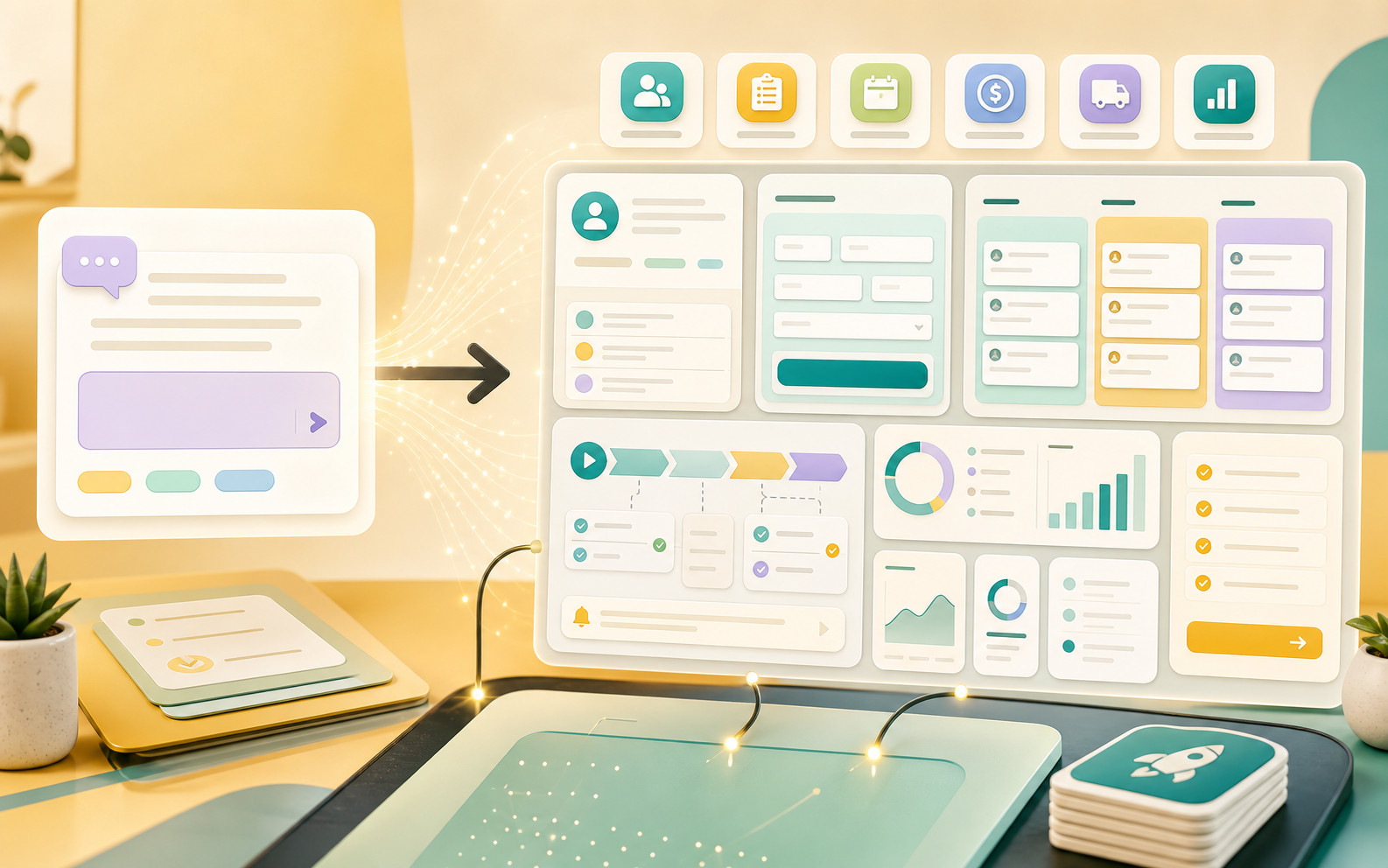
Task Engine should tell a buyer what they can actually run in Taskingos: the records they need, the handoffs the team owns, and the reports that show what needs attention.
Example workflow
Start task engine with the record, request, customer, or task context the team needs before work moves.
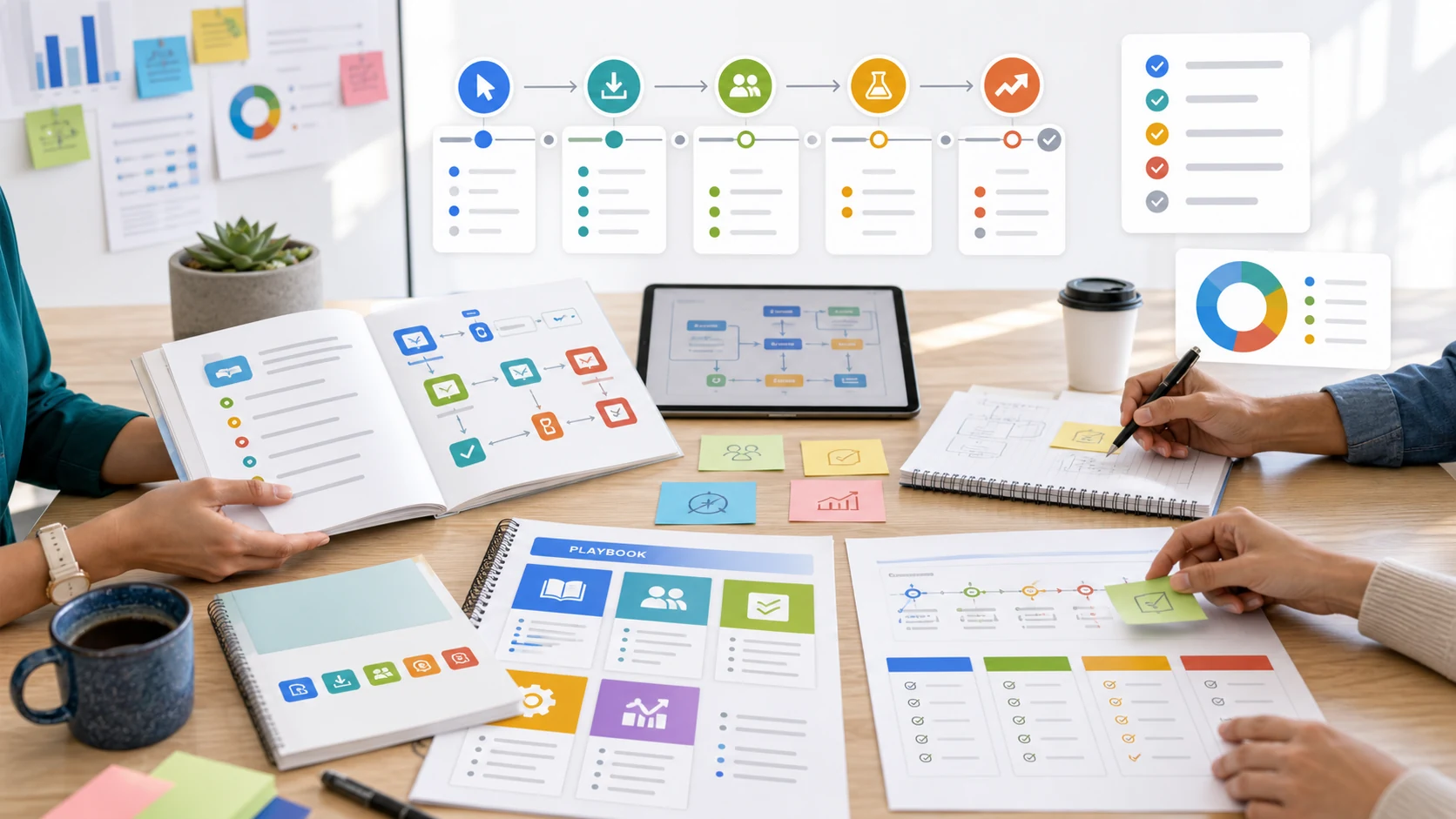
Use this stage to collect context, update status, and keep task engine moving through the workspace.
Make the owner and decision point explicit so the handoff does not disappear into chat, email, or a spreadsheet.
Turn the stage into a reportable signal for open work, aging queues, blockers, and workload.
Close the loop with owner accountability, saved views, and reporting so the next action is visible.
 Structured execution
Every task includes status, owner, priority, due date, source app, and attached relationship.
 Automation-ready
Task updates can trigger workflows, create timeline events, and update related records.
Task Engine should become visible through concrete records, task ownership, stage movement, and operating reports.
Task Engine should become visible through concrete records, task ownership, stage movement, and operating reports.
Task Engine should become visible through concrete records, task ownership, stage movement, and operating reports.
Task Engine should become visible through concrete records, task ownership, stage movement, and operating reports.
Tasks can belong to any record, app, workflow, project, customer, asset, vendor, or deal.
Task Engine connects the workflow to shared records, owners, tasks, and reports instead of creating a separate place for the team to check.
Yes. Start with create task, then adapt fields, stages, owners, saved views, and reports such as task views.
Start from a proven pattern, then tailor the records, tasks, automations, and reporting to how your team works.