1Start with structure
Connected records
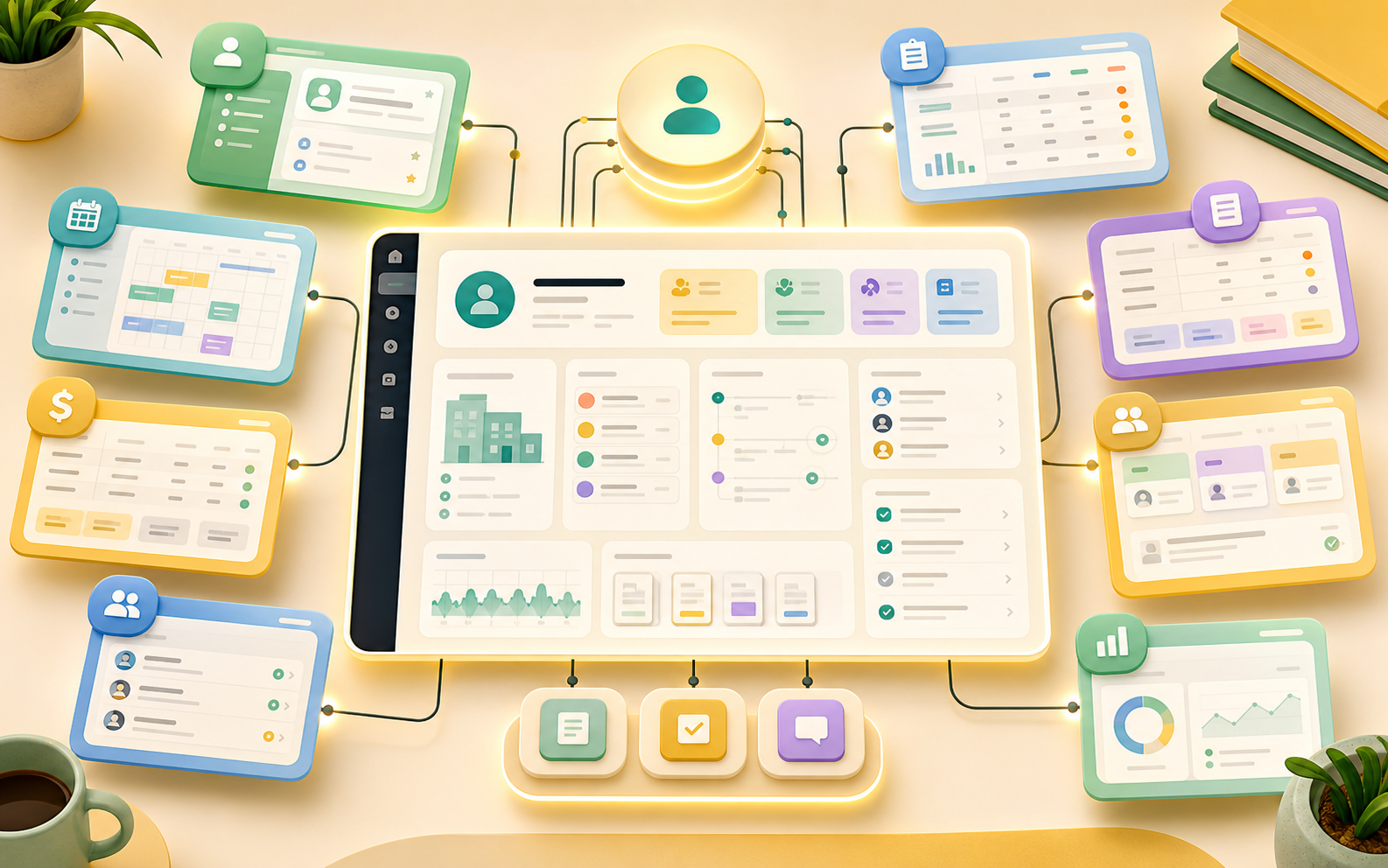
Every relationship can carry tasks, files, notes, payments, workflows, and related entities.
Feature
Move beyond contact lists. Taskingos models people, companies, projects, deals, vendors, assets, and custom entities as connected records.
What this page gives you
Relationship Management should tell a buyer what they can actually run in Taskingos: the records they need, the handoffs the team owns, and the reports that show what needs attention.
Example workflow
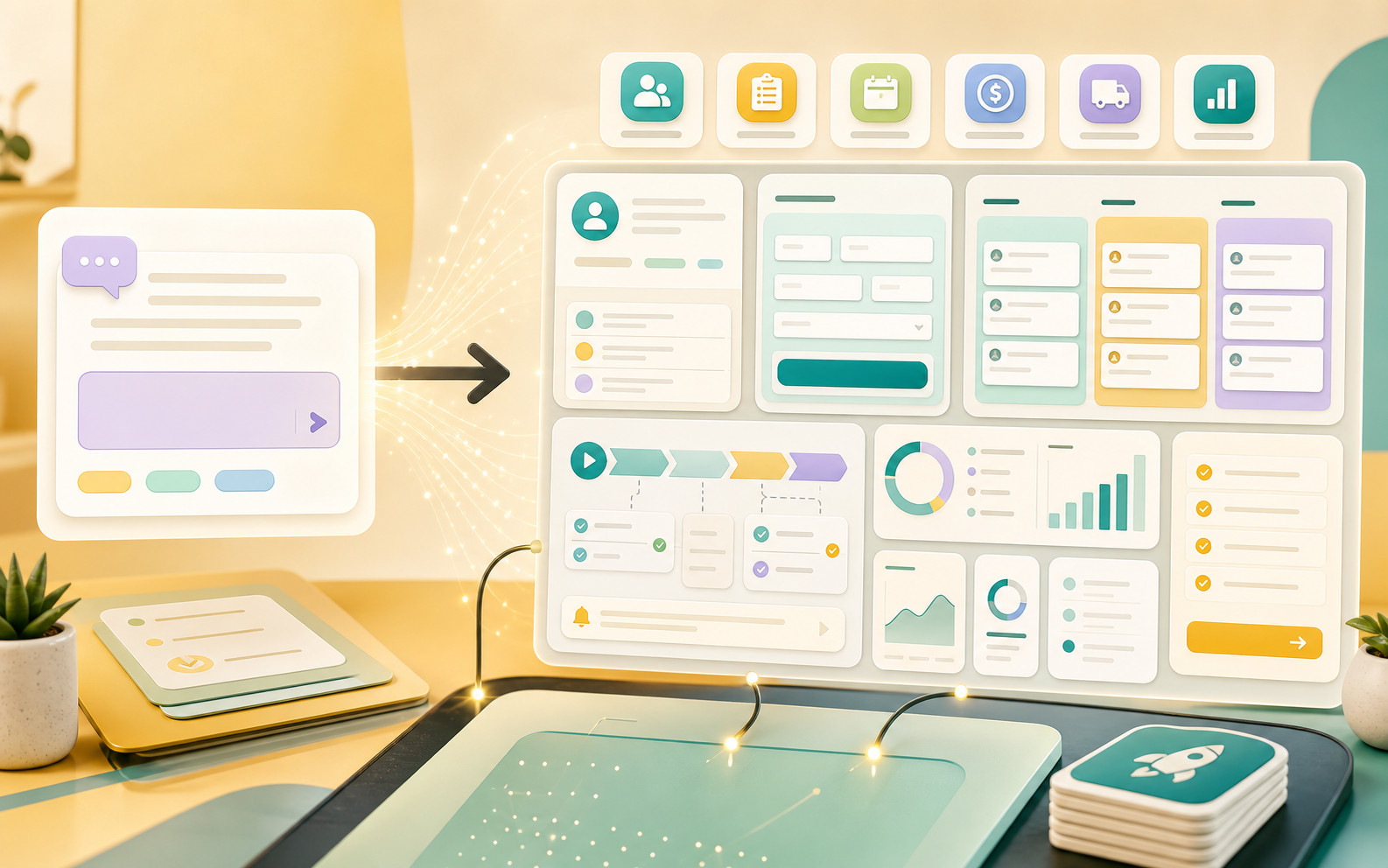
Start relationship management with the record, request, customer, or task context the team needs before work moves.
Use this stage to collect context, update status, and keep relationship management moving through the workspace.
Use this stage to collect context, update status, and keep relationship management moving through the workspace.
Use this stage to collect context, update status, and keep relationship management moving through the workspace.
Close the loop with owner accountability, saved views, and reporting so the next action is visible.
 Connected records
Every relationship can carry tasks, files, notes, payments, workflows, and related entities.
 Relationship graph
See how customers, contacts, projects, assets, vendors, and tasks connect.
Relationship Management should become visible through concrete records, task ownership, stage movement, and operating reports.
Relationship Management should become visible through concrete records, task ownership, stage movement, and operating reports.
Relationship Management should become visible through concrete records, task ownership, stage movement, and operating reports.
Relationship Management should become visible through concrete records, task ownership, stage movement, and operating reports.
Move beyond contact lists. Taskingos models people, companies, projects, deals, vendors, assets, and custom entities as connected records.
Relationship Management connects the workflow to shared records, owners, tasks, and reports instead of creating a separate place for the team to check.
Yes. Start with create record, then adapt fields, stages, owners, saved views, and reports such as entity types.
Start from a proven pattern, then tailor the records, tasks, automations, and reporting to how your team works.